

Real Estate Photo Turnaround Times: What Newmarket and Aurora Realtors Should Expect in 2026
Sixty-seven percent of real estate agents now expect their listing photos back within 24 hours — and in Newmarket and Aurora, where the median home spends under a month on market, that expectation is not impatience. It is strategy.
A listing does its heaviest work in its first 72 hours. That is when it hits saved searches, when it lands in buyer inboxes, and when agents who have been watching the neighbourhood book their first showings. Every day your photos sit in an editing queue is a day of that momentum you cannot get back.
Yet turnaround time is the one thing most realtors never ask about before booking a photographer. Price gets negotiated. Shot counts get compared. Delivery speed gets assumed — right up until the Thursday afternoon when the photos still are not in your inbox and the seller is calling.
This guide breaks down what a realistic turnaround looks like in 2026, what actually happens between the shutter click and your download link, what a slow delivery costs you in a market like York Region, and the exact questions to ask a photographer before you book.
What This Guide Covers
What a normal real estate photo turnaround time looks like in 2026
Why delivery speed matters more in Newmarket and Aurora than in slower markets
What actually happens between the shoot and the delivery link
What a slow turnaround really costs you in lost exposure
Which deliverables take longer than photos, and why
How to get your media back faster, and what to ask before booking
What Is a Normal Real Estate Photo Turnaround Time in 2026?
The industry standard in 2026 is 24 to 48 hours for still photography, with next-business-morning delivery now the practical baseline for most professional shooters. Roughly two-thirds of agents surveyed say they expect photos back within 24 hours or less, and photographers who cannot meet that window increasingly lose repeat business to those who can.
That expectation has tightened considerably. A five-day turnaround was unremarkable a decade ago. Today it reads as a red flag — not because editing has become easier, but because listing cycles have compressed and every competing agent is working to the same clock.
A reasonable set of expectations for a standard residential shoot looks like this:
HDR still photos: 24–48 hours, often by 9–10 a.m. the next business day
Floor plans: 24–48 hours, sometimes bundled with the photo delivery
Drone and aerial stills: 24–48 hours, weather permitting on the capture side
Matterport 3D tours: 24–48 hours for processing and hosting
Video walkthroughs and social reels: 48–72 hours, as editing is genuinely more involved
Twilight photography: 24–48 hours from the dusk shoot window

Anything slower than 72 hours for standard photos should come with an explanation — a large luxury property, a complex twilight and drone package, or a genuine weather delay. Slow turnaround without a reason usually means the photographer is overbooked or outsourcing editing to a queue they do not control.
Why Does Turnaround Speed Matter So Much in Newmarket and Aurora?
Because York Region homes do not sit. Newmarket's median days on market sat at 29 days as of August 2026, with an average price near $1,005,000 and roughly 180 new listings hitting the market in a 28-day window. Aurora runs tighter still, with a median around 24 days and detached homes averaging close to $1.43 million.
In a market moving at that pace, a two-day delay is not a scheduling inconvenience. It is a meaningful percentage of your listing's entire competitive lifespan, spent invisible.
The geography compounds it. Buyers shopping Newmarket's Glenway Estates or Stonehaven are usually shopping Aurora's Bayview Northeast and Richmond Hill's Oak Ridges in the same session. Your listing is competing against near-identical inventory in adjacent towns, filtered by the same GO Train commute along the Barrie line and the same school catchments. When three comparable homes list in the same week, the one that goes live Friday morning with a complete media package beats the one that goes live Monday with photos alone.
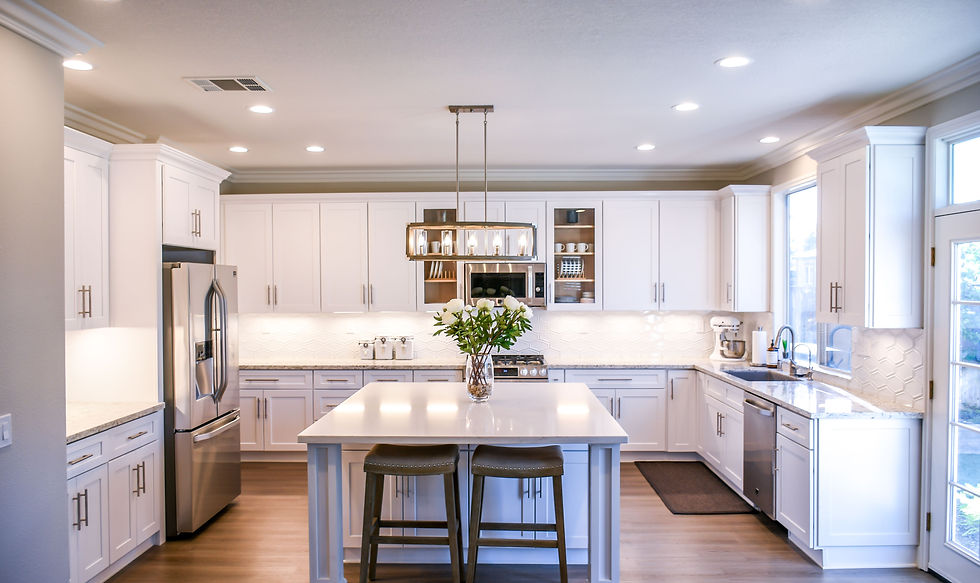
Homes with professional photography sell for $3,000 to $11,000 more than comparable homes with amateur photos. — National Association of Realtors
There is a seasonal dimension too. York Region's spring market compresses an enormous amount of activity into a narrow window, and fall brings a second surge before the December slowdown. During those peaks a photographer's turnaround is under the most strain precisely when your timing matters most — which is exactly why you want to know their capacity before the busy season, not during it.
What Actually Happens Between the Shoot and the Delivery Link?
Turnaround time is mostly post-production, not shooting. A typical 2,000-square-foot Newmarket home takes 60 to 90 minutes on site and several hours in editing. Understanding the stages makes it obvious where delays come from.
Stage 1: On-Site Capture (60–90 Minutes)
The photographer shoots bracketed exposures — typically three to seven frames per angle at different exposure values — so that window views and interior detail can both be recovered. A 35-photo listing might mean 150 to 250 raw frames captured. Add drone passes, a floor plan scan, or a Matterport capture and the on-site time grows accordingly.
Stage 2: Culling and Merging (1–2 Hours)
Raw brackets are ingested, backed up, culled down to the strongest angle for each room, and merged into HDR composites. This is the stage that eats storage and processing time, and it is why a photographer shooting four homes in a day rarely delivers all four the same night.
Stage 3: Editing and Correction (2–4 Hours)
Vertical lines are straightened, colour casts from mixed lighting are neutralised, windows are blended so the backyard is actually visible, and lawns are corrected for seasonal dullness. Careful editors also remove distractions the homeowner missed — a stray cord, a bin at the curb. This is craft work, and it is the difference between photos that look professional and photos that look merely sharp.
Stage 4: Quality Control and Delivery (30–60 Minutes)
A second pass checks for missed corrections, consistent white balance across the set, and correct sizing for MLS, print, and social. Files are then exported in multiple resolutions and posted to a delivery gallery. A photographer who skips this step delivers faster — and you find the problems yourself, on the live listing.
How Much Does a Slow Turnaround Actually Cost You?
The cost is measured in missed exposure, not in dollars on an invoice. A listing that goes live Thursday evening captures the entire weekend search peak. The same listing delayed to Monday morning has already burned its most valuable days of visibility while sitting in an editing queue.

The knock-on effects are real. Video and reel content performs dramatically better when it deploys inside the first 48 to 72 hours, while the listing is still new to the algorithm and to the buyers watching that neighbourhood. Post it on day six and you are marketing a listing that already looks stale in the feed.
There is a client-relationship cost as well. Sellers who have just spent a weekend decluttering, staging, and vacating for a photo shoot expect to see something. Every day of silence after the shoot is a day the seller wonders whether hiring you was the right call — and a fast turnaround is one of the easiest trust signals you can deliver early in a listing.
Which Deliverables Take Longer Than Photos, and Why?
Video and interactive media legitimately take longer than stills, and a photographer who quotes the same turnaround for everything is either overpromising or under-editing. Here is what to expect across a full media package:
Standard HDR photography — 24 to 48 hours. The fastest deliverable, and the one that should never be the bottleneck.
Measured floor plans — 24 to 48 hours. Scanning is quick; drafting, labelling, and dimension verification take the time.
Aerial and drone photography — 24 to 48 hours after capture, though the capture itself depends on wind, precipitation, and Transport Canada airspace conditions over parts of York Region.
Interactive Matterport 3D tours — 24 to 48 hours. Most of that window is cloud processing and stitching rather than human editing.
Full property video walkthroughs — 48 to 72 hours. Colour grading, music licensing, pacing, and stabilisation all take real time.
Vertical social media reels — 48 to 72 hours, and worth requesting alongside the photo package so they arrive while the listing is still fresh.
Digitally furnished virtual staging — 24 to 72 hours depending on room count, since each image is rendered individually.

How Can Realtors Get Their Photos Back Faster?
Much of the turnaround is in the photographer's hands, but a surprising amount is in yours. The delays that frustrate agents most often trace back to the shoot itself, not the edit.
Book earlier in the week. A Tuesday shoot delivers Wednesday and lists Thursday, capturing the weekend. A Friday shoot often means a Monday delivery.
Have the home genuinely ready. Reshoots and heavy retouching requests are the single largest cause of blown deadlines. A prepared home shoots faster and edits cleaner.
Confirm the deliverable list when you book. Adding a floor plan or a reel after the shoot restarts the clock on that item.
Send MLS specs upfront. Brokerage-specific sizing or watermarking requirements are quick to apply during export and slow to apply afterward.
Consolidate your revision requests. One clear list of changes turns around far faster than five separate emails over two days.
Ask about rush options before you need one. Most photographers offer same-day delivery for a fee, but only if capacity is arranged in advance.
What Should You Ask a Photographer About Turnaround Before Booking?
Ask these six questions before your first shoot with any new photographer. The answers tell you more about reliability than any portfolio will.
What is your guaranteed turnaround in business hours, not business days?
Do you edit in house, or is editing outsourced to a queue you do not control?
What happens to my delivery time during peak spring and fall weeks?
Is a rush or same-day option available, and what does it cost?
How are revisions handled, and how long do they take?
Do video and reels follow the same timeline as the stills, or a longer one?
Air Unlimited works to a 24-hour standard turnaround on photography across the Greater Toronto Area and York Region, with all editing handled in house so the timeline stays under our control. You can see current packages and availability on our bookings page.
Frequently Asked Questions
How long should real estate photos take to be delivered in 2026?
Standard residential photography should be delivered within 24 to 48 hours of the shoot, and most professional photographers now target next-business-morning delivery. Roughly 67% of agents expect a 24-hour turnaround, and anything beyond 72 hours without a stated reason falls outside the current norm.
Can you get real estate photos back the same day?
Yes, most professional photographers offer a same-day or rush option, typically for an added fee and subject to available capacity. Same-day delivery generally requires booking a morning shoot and arranging the rush at the time of booking rather than after the shoot.
Why do video and reels take longer than photos?
Video editing involves sequencing, stabilisation, colour grading, music licensing, and pacing decisions that still photography does not require, which is why 48 to 72 hours is the realistic window. Request video alongside your photo package so it arrives while the listing is still generating its heaviest traffic.
Does a faster turnaround mean lower photo quality?
Not with an in-house editing workflow. Speed problems usually come from overbooking or outsourced editing queues rather than from the editing itself, and a well-staffed studio can hold a 24-hour standard without cutting the quality-control pass. Ask whether editing is done in house — that answer predicts quality far better than the stated turnaround does.
How much do real estate photos cost in the Newmarket and Aurora area?
Professional residential photography packages in York Region generally run from roughly $200 for a basic photo set to $600 or more for a full package including drone, floor plan, and video. Pricing scales with square footage and the number of deliverables rather than with turnaround speed for standard bookings.
Book a Shoot That Actually Delivers On Time
Air Unlimited has completed over 2,000 property shoots across Canada, holds more than 800 five-star reviews, and flies with Transport Canada-certified drone pilots. Our editing is handled in house, which is how we hold a 24-hour standard turnaround on photography through the busiest weeks of the York Region market. If your Newmarket or Aurora listing needs to be live before the weekend, book your shoot today or get in touch to talk through the right package.
Further Reading
Compare local rates in our guide to real estate photography pricing in Toronto.
Vetting a new shooter? Start with how to choose a real estate photographer in Toronto.
See why accurate floor plans close deals faster and belong in your standard package.
Read how professional photos help realtors win more listings in Markham.
Planning a land or lot listing? See our York Region vacant land photography guide.


Comments